
Case File · ARG · Bullet Echo · 2023–2024
Sterling’s Quest: Turning Bullet Echo Players Into Investigators
How a hero reveal became a multi-week community investigation — and a 170+ page player-written case file.
In late 2023, I designed and ran a live ARG for Bullet Echo that started with a strange holiday short, a QR code, and a warning: don’t trust Sterling. What followed was a multi-week community investigation across a hidden website, Discord, social posts, in-game hints, encoded messages, music, and promo codes — all leading toward Project Amaryllis and the reveal of Vi, a new hero.
What I did
- Designed the ARG structure, pacing, and story beats
- Planned the clues, ciphers, and hidden messages
- Created the names and lore hooks — several later became actual in-game names
- Built and evolved the hidden website over the campaign
- Made the art, music, and video for the campaign myself
- Connected puzzles to real upcoming game content
- Turned the hero reveal into an investigation instead of an announcement
01 The setup: “Don’t trust Sterling”
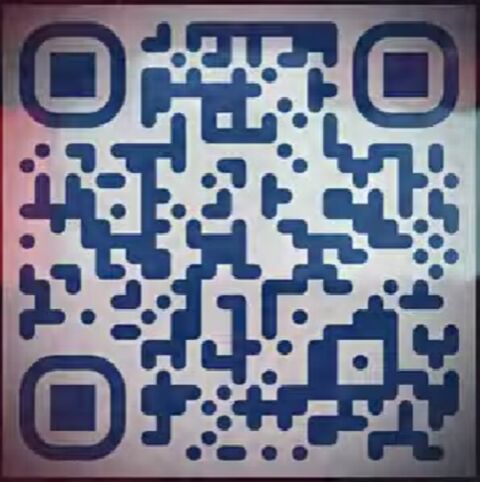
The ARG began with what looked like an ordinary holiday video: a sequence of community fan art, festive music, warm wishes. But players who paused it found more. Mister Sterling — the mysterious owner of the game’s Arenas — flashed on screen with the words “help me”. Behind him, a binary string: 01010110 00111111. Decoded, it read V? — a question nobody could answer yet. Then a QR code, and a repeating domain: mrsterling.quest.
Even the hashtags were part of the message: #donottruststerling, #sterlingshouldntbetrusted, #whoisthis.
Why this worked
The first clue looked like a normal social post — but it rewarded players who paused, zoomed, decoded, and scanned. That first interaction taught players the language of the ARG: nothing is accidental, screenshots matter, and you’ll get further together.
02 The hidden website
The QR code led to mrsterling.quest — a dedicated mystery site that behaved less like a landing page and more like a living crime scene. Pages appeared, changed, and got “hacked” over time: a Confidential Transmission from Sterling, corrupted CCTV images, a saccharine Life Inc. “Happiness Message”, cybersecurity takedown notices, hidden pages that only existed if you guessed their address. Some clues sat in plain sight; others hid in page source, file names, or audio files.

Explore it yourself
The original site has been restored and is live again on this domain — every page, hidden ones included, with an archive map to guide you. Restored pages may not function perfectly, but the clues are all still there.
Players responded by doing something I hoped for but couldn’t force: they started mapping the site themselves, treating every redirect, filename, and broken page as potential evidence.
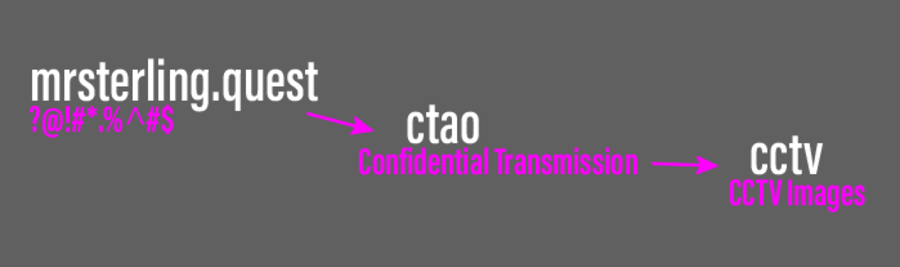
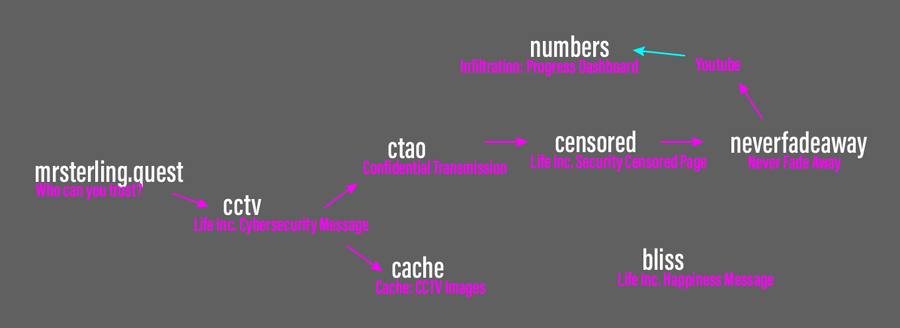
The site was never static. Text mutated, links appeared after reloads, pages got defaced — and returning players were the first to notice. The website itself was a character.
03 Sterling’s message
The first major story beat was a Confidential Transmission addressed to “all Echo Operatives” — the players themselves. Sterling claimed he had intercepted information from Life Inc., a corporation nobody had heard of before, and received four corrupted CCTV images he’d reconstructed with an AI tool. He asked Operatives to decode two phrases he’d caught on a radio frequency.
CONFIDENTIAL MESSAGE TO ALL ECHO OPERATIVES

Operatives,
This is Sterling. I've managed to intercept some intriguing
information from Life Inc. through our secure communication
channels. [...] I also received four images from CCTV, but
they were all corrupted.

Additionally, I've tapped into a radio frequency and caught
two phrases:
  "My .--. .- - .. . -. -.-. . is .-- .- -. .. -. --."
  "Is this . -. - . .-. - .- .. -. .. -. --. ?"

Hopefully, I will get back on December 30th.
Sterling out.
The Morse code resolved to “My patience is waning” and “Is this entertaining?” — a lyric from Imagine Dragons’ Bones. Players immediately started arguing about whose patience, and who was being entertained. That ambiguity was the point: was Sterling warning them, manipulating them, or being watched himself?
The framing did the heavy lifting. Players weren’t reading an announcement — they had been given a role, a codename, and a job.
04 CCTV images and the first investigation loop
The CCTV page held four “reconstructed” surveillance images — outside, backyard, house, underground — showing armed squads reacting to strange streaks cutting through the air. Players ran them through text editors, contrast tools, and metadata viewers. Some findings were real; plenty weren’t. Deciding what was signal and what was noise became part of the game.
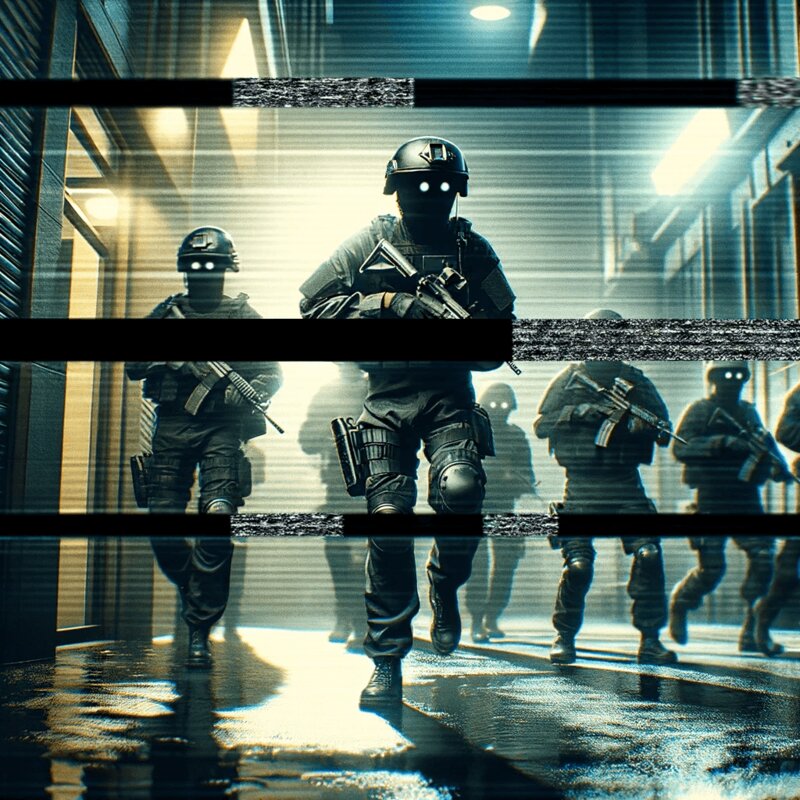
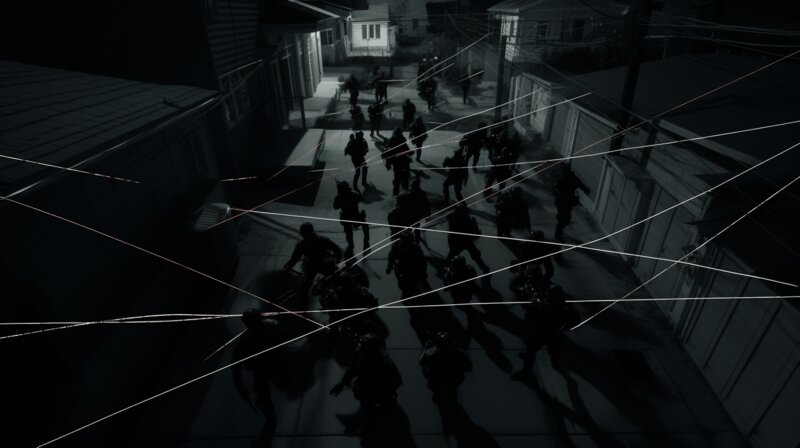
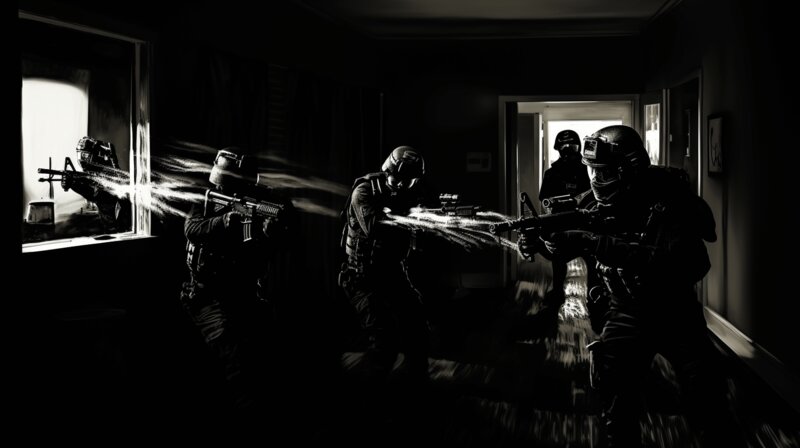
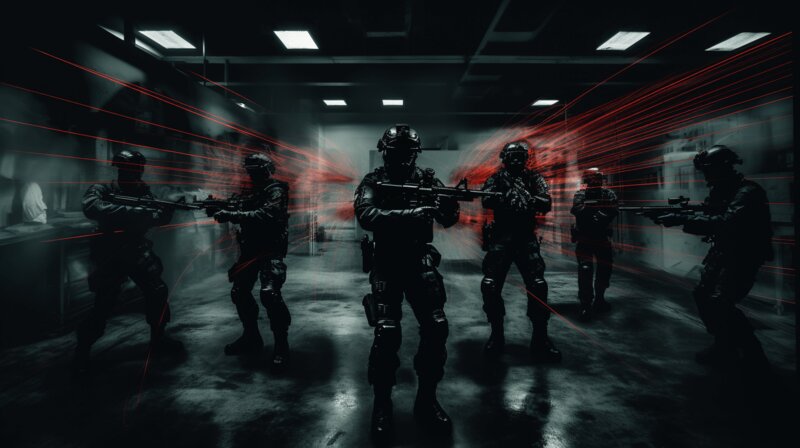
The four “corrupted” CCTV frames. Players hunted the static for hidden digits — the log dryly records most of them as artifacts, not answers.
Behind the images, the page generated an endless stream of questions: Can anyone see the truth? Is trust ever justified? Who really controls Sterling? What lies in the shadows? The bolded words, read in order, formed their own sentence:
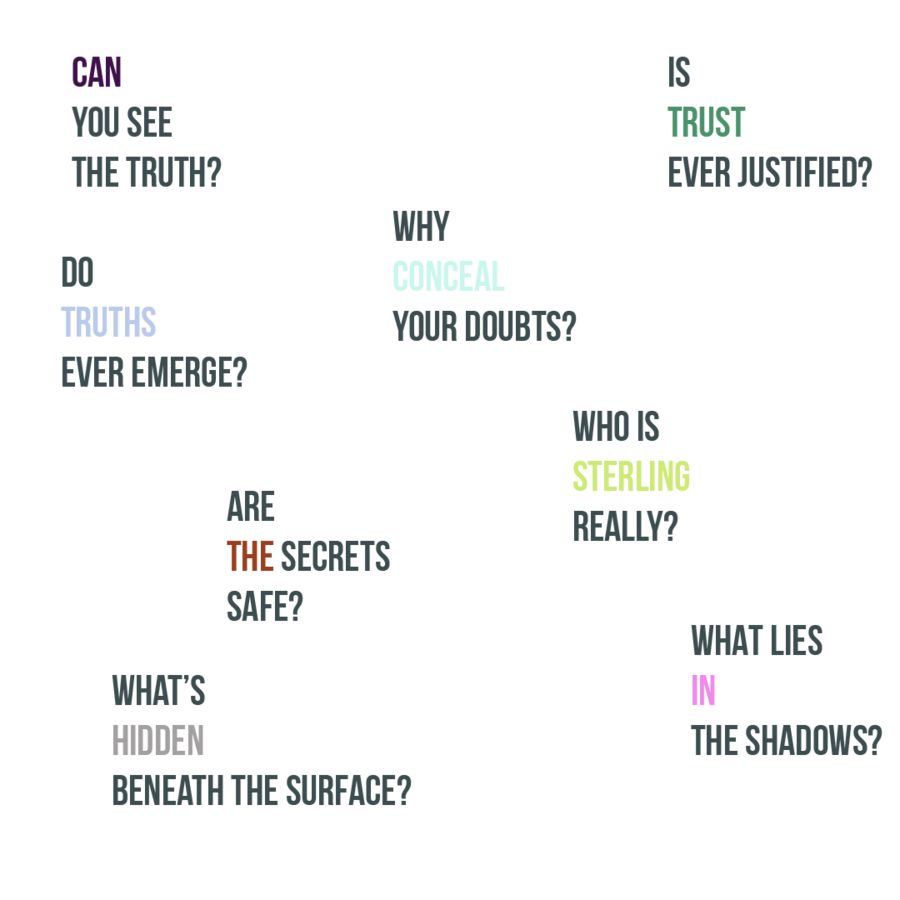
“Anyone trust in Sterling conceal the hidden truths.” — the page itself was contradicting its owner.
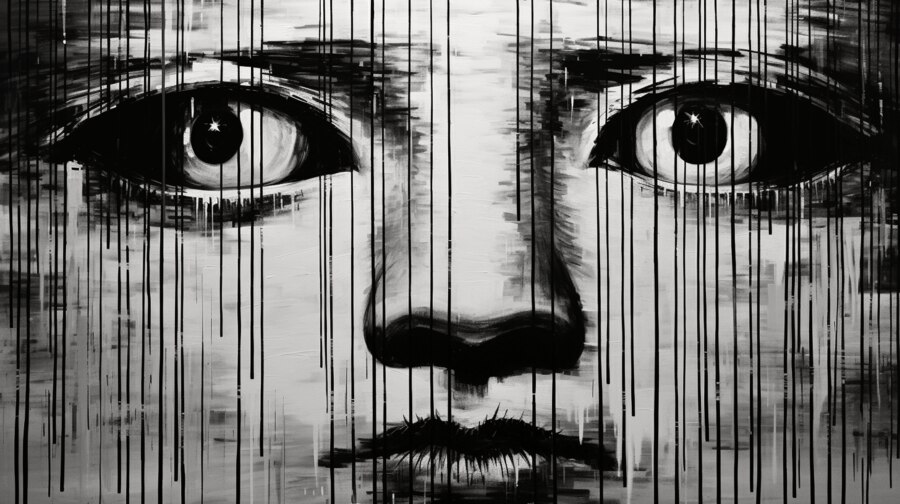
Noise as a feature
Players adjusted brightness, inspected the file’s code, and tried to read it as a barcode. Nothing. Some clues existed to keep everyone honest — the community had to decide what mattered, and dead ends made the real discoveries feel earned.
05 Life Inc. takes over
Then Sterling went quiet, and the site stopped sounding like him. His transmission page began redirecting to a Life Inc. Happiness Message: a blurred, hand-drawn TV test pattern with a corporate logo, cycling cheerful phrases in Polish, Indonesian, Chinese, Hindi, Russian and Ukrainian — “Customer satisfaction is our priority. Live. Love. Laugh.” — next to lines like “Trust to this website has been revoked by the Life Inc. network. Please wait.”

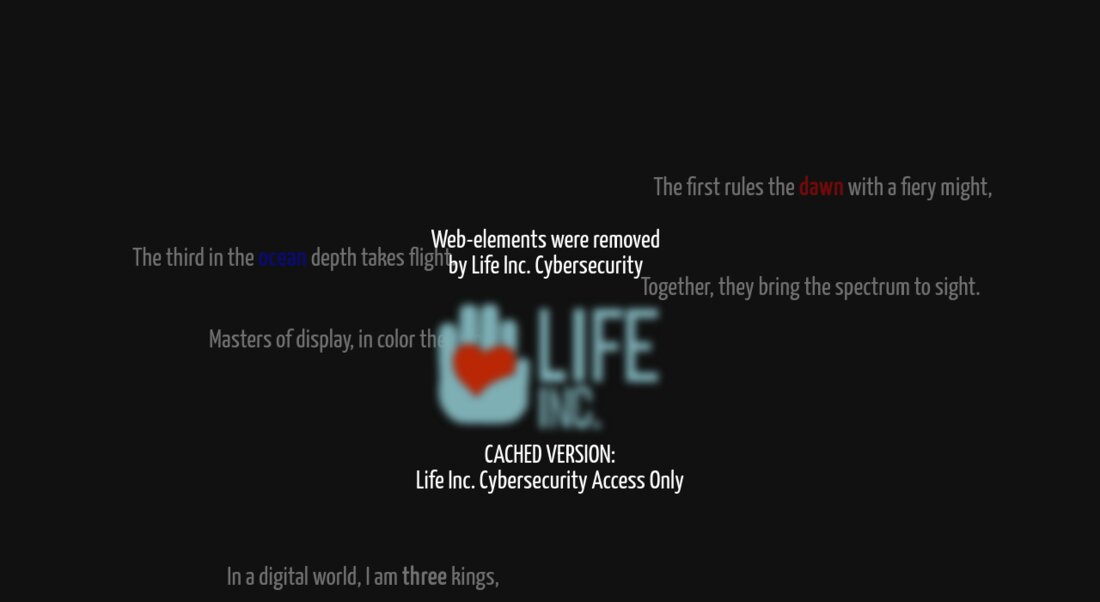
The corporate language of safety and happiness made the pages feel more threatening, not less. And the story gained its central tension: Sterling said his site was hacked, Life Inc. claimed everything was fine, and a third party — someone leaving kaomoji, purple paint, and taunts in the page source — was clearly playing with both of them.

Life Inc.’s security also earned its reputation the hard way. A “cached version — Life Inc. Cybersecurity access only” page demanded a password. The password was, literally, A PASSWORD TO THE LIFE INC CACHED PAGE — and the page source explained why:
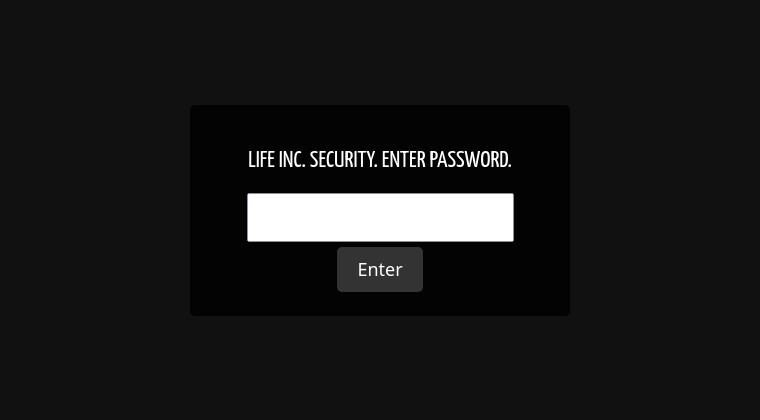
<!-- Gordon, before you take the train to work,
     change the darn security measure and cipher it!!
     Do not just leave the password as
     A PASSWORD TO THE LIFE INC CACHED PAGE,
     or you-know-who will come again!! -->
06 Never Fade Away, Violet Whisper, and the color trail
On New Year’s Eve, the mysterious third voice dropped a hint: “There is a secret place where things never fade away. Find it.” Overnight, the phrase in the page text quietly changed from “never fade away” to neverfadeaway — one word. Players knew every page on the site followed the same URL pattern, typed it in, and found the hidden NFA page: a Life Inc. corporate seal (“Implants · Drones · Cybergate · Neuroware · Biotechnologies · Nanomites”) with an audio file in the middle.
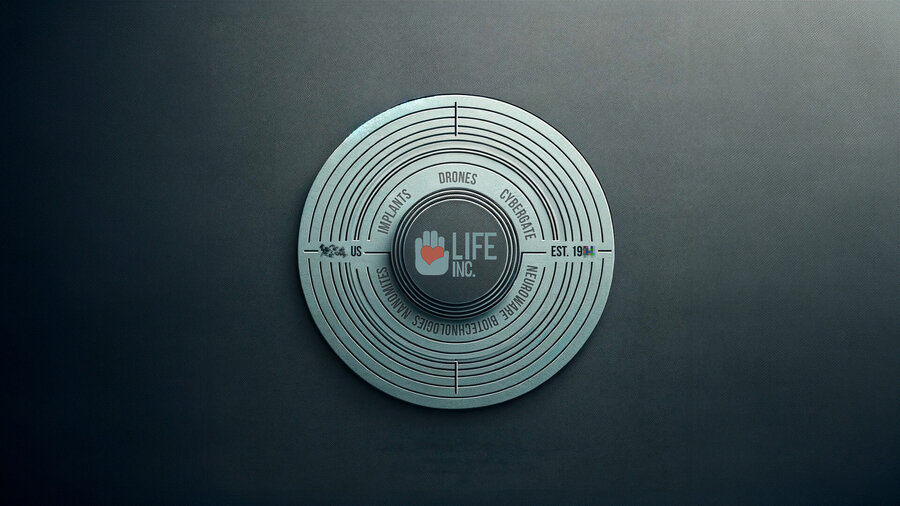
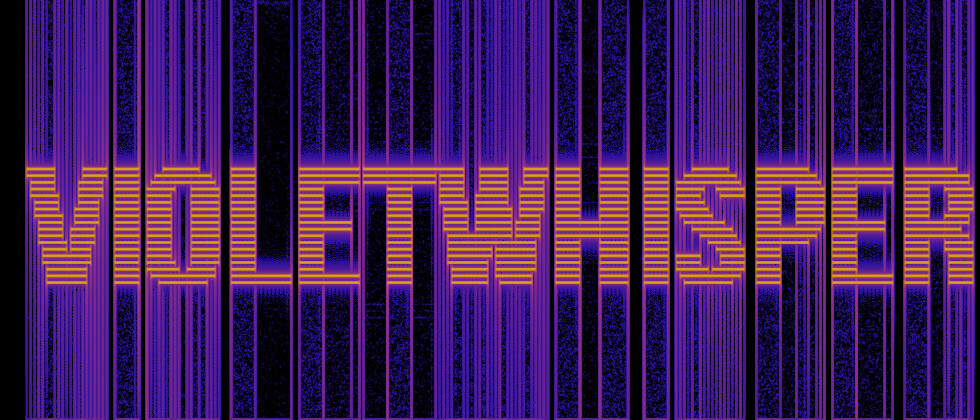

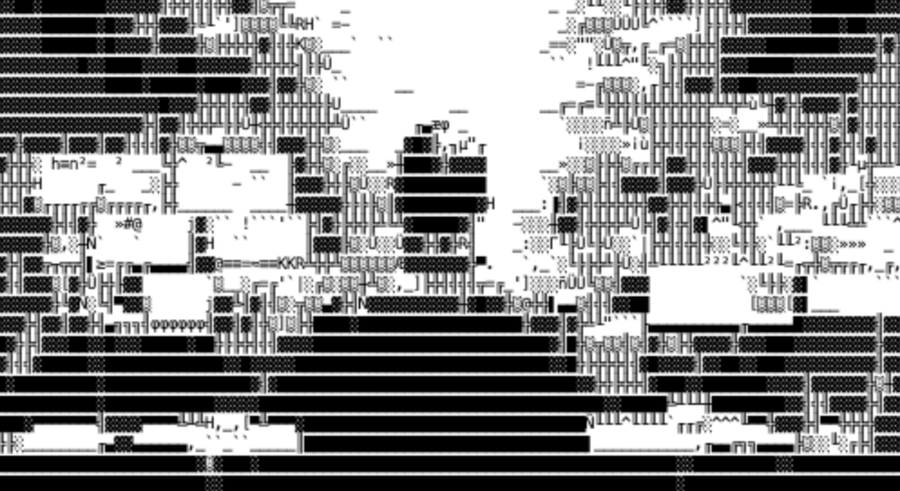
This was the campaign’s spine: a color as a narrative thread. Purple connected the test pattern numbers, the spectrogram, the vandal’s paint, the Renegades faction — and eventually Vi herself. The purple trail wasn’t aesthetic. It was the answer, hiding in plain sight for a month.
Both discovered phrases also turned out to be promo codes. neverfadeaway and violetwhisper rewarded in-game currency — small amounts, but with oddly specific numbers. Players noted them down. That bookkeeping instinct paid off later.

The archive also holds two prototype pages that never appear in the community log — one with an amaryllis haiku that surfaced Base64 fragments depending on the background color, another shouting “Numbers, VI! What do they mean?” in five languages along invisible SVG paths. The violet trail was designed to go deeper still.
07 Music as a clue: Bionic Nomads
By January the hidden page was being openly vandalized — Life Inc.’s seal painted over in purple, corporate values crossed out, and a new note in the corner: “P.S. Do you like music?” followed by SGZaelA5TTN6b2M=. The English-speaking side of the community cracked it: Base64 for a YouTube video ID. It led to a 40-second fragment of a song.
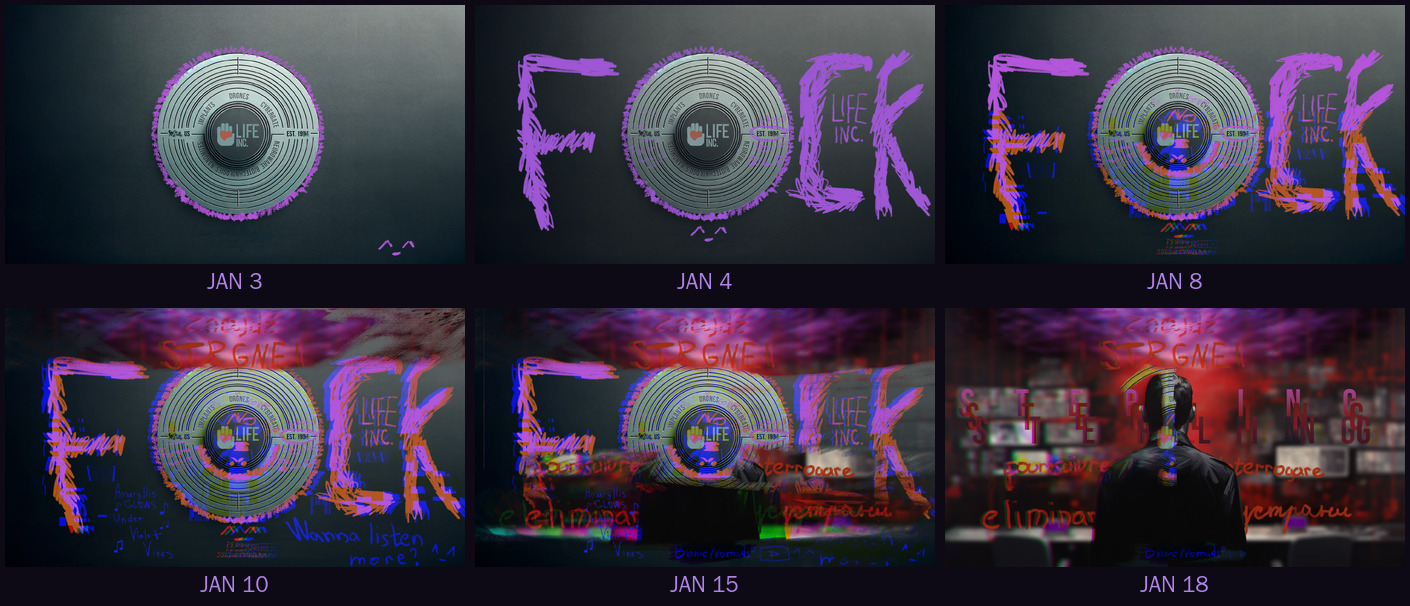
Then the source revealed itself: Bionic Nomads, a fictional band with a YouTube channel and the bio “making music circa 2047”. Their full track, Shadowed Echoes, dropped mid-January — and it wasn’t decoration. The lyrics were a manifest and a puzzle index at once: violet whisper, flowing mayhem, never fade away, amaryllis glows under violet vines, shadow step quickens, your life is incorporated. Nearly every phrase was either a promo code, a future ability name, or a story beat that hadn’t happened yet.
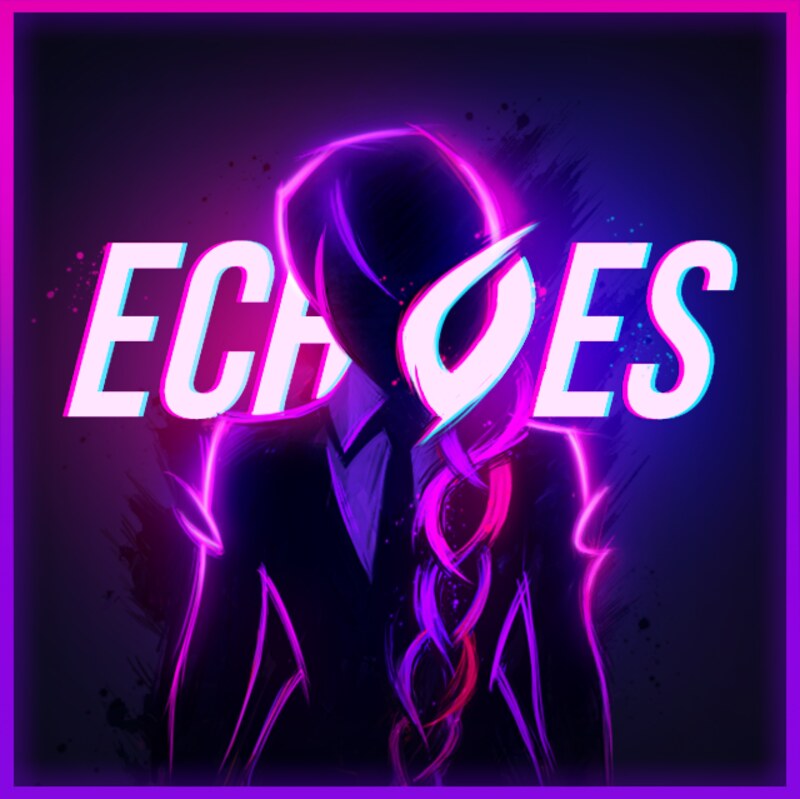
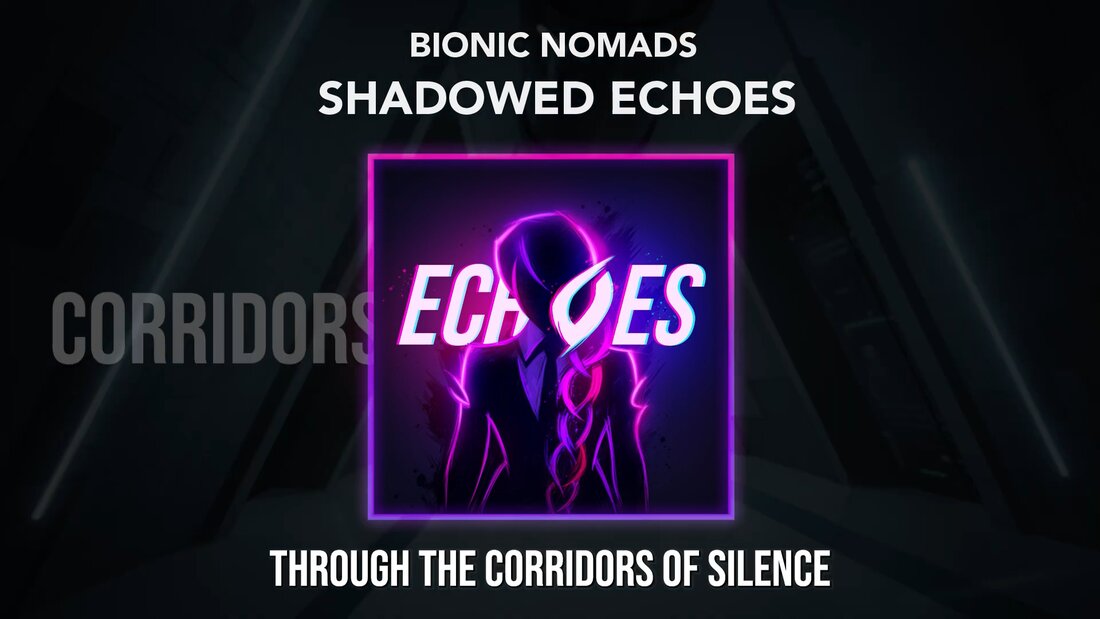
The fictional music layer made the ARG feel bigger than a website. It gave players another artifact to decode — and another way to feel the world of Bullet Echo.
08 Project Amaryllis and the numbers page
The numbers page reframed the whole campaign as a live operation. Titled Infiltration: Progress Dashboard, headed Project Amaryllis, it listed mission code names with progress bars — poetic covers for the promo codes players had been redeeming all along. The bars crept up over the following days. Players watched them like a stock ticker.
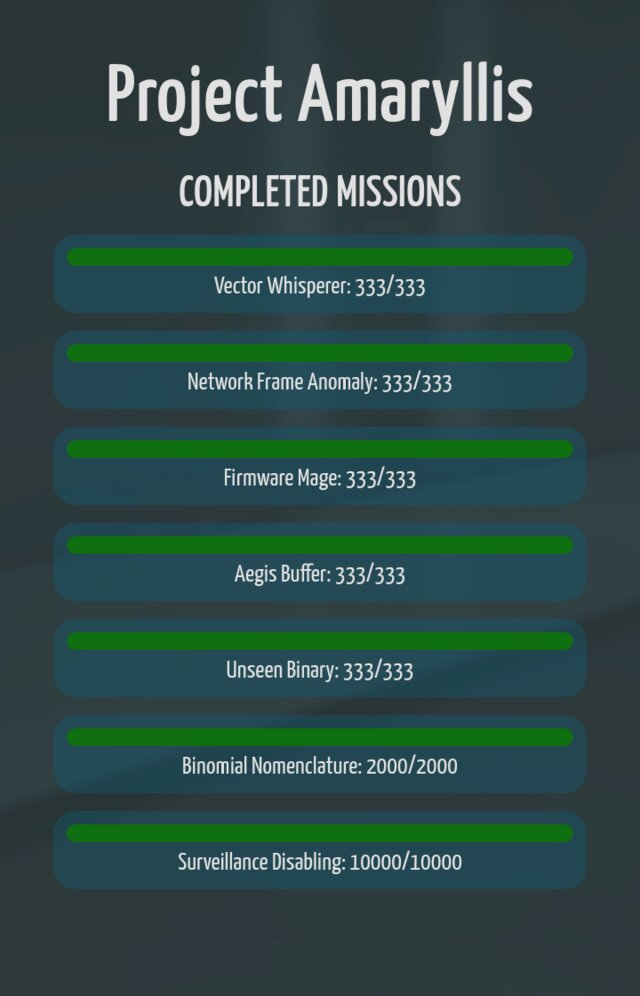
The community matched every code name to a promo code: Vector Whisperer → violetwhisper, Network Frame Anomaly → neverfadeaway, Firmware Mage → flowingmayhem, Binomial Nomenclature → bionicnomads, Aegis Buffer → amaryllisblade, Unseen Binary → undyingblaze — the last two found through datamining and brute-forcing song lyrics. Redeeming codes wasn’t just a reward anymore. It was, in-fiction, helping someone break into something.
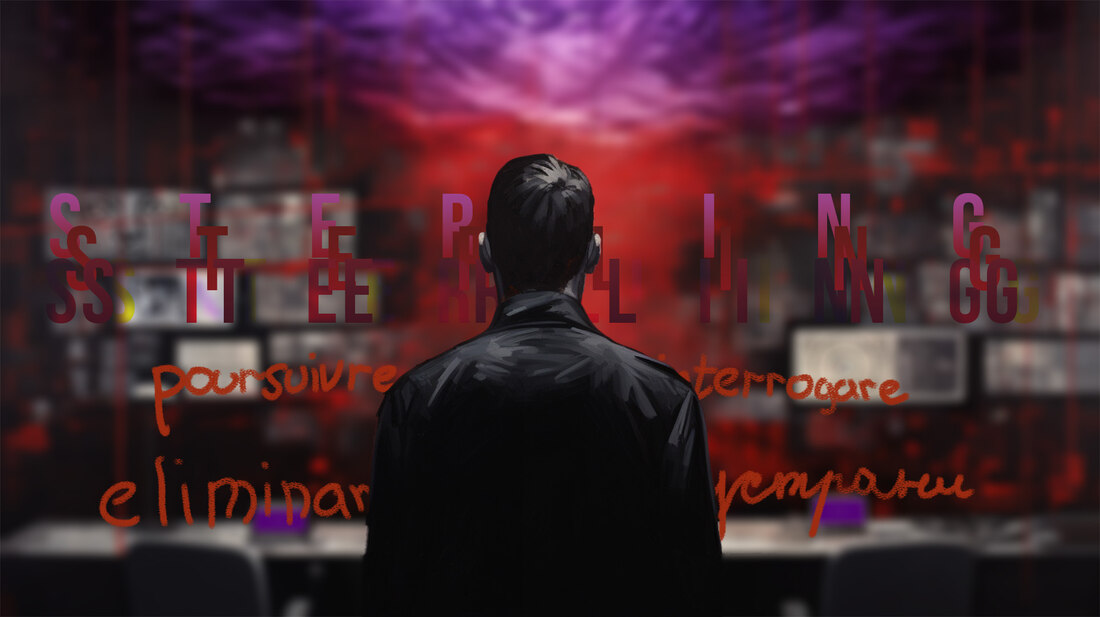
09 The reveal: Vi
By the time Vi was officially revealed, players had already touched almost every part of her identity without knowing it: the binary V? from the first video, the VI in the test pattern, the violet color, the shadow language in the lyrics, the datamined description of a woman with an assault rifle and a shadow dash. Vi — a hacker, a Renegade, the woman with the katana — was the third voice the whole time. The one who defaced Life Inc.’s pages, loved music, and recruited the Operatives without ever asking permission.
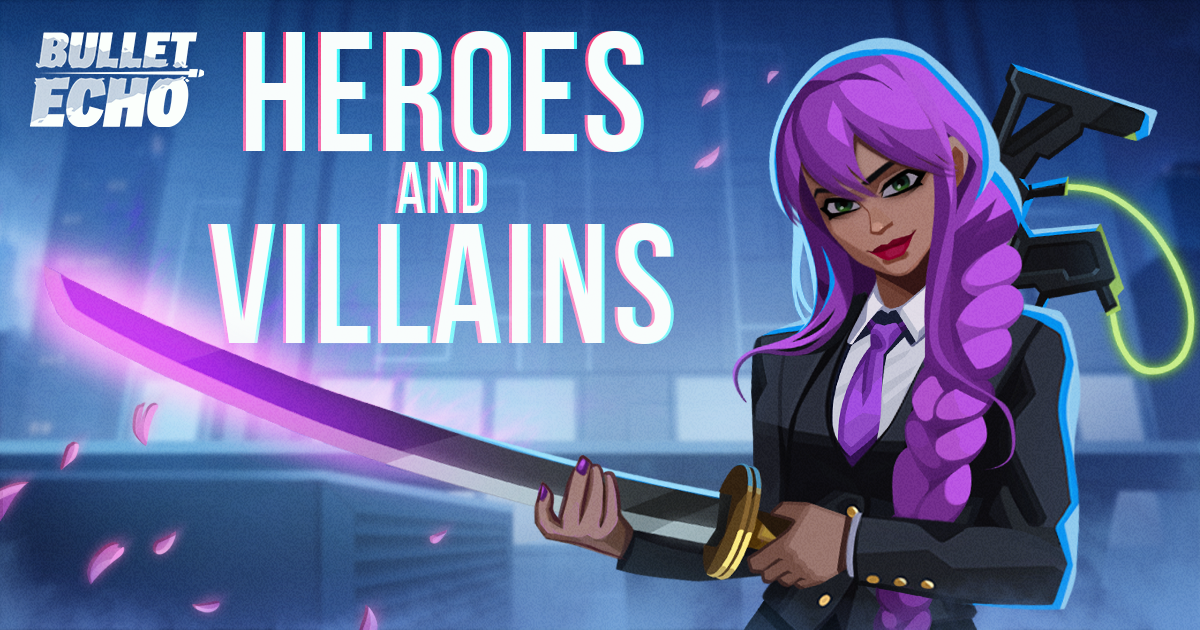
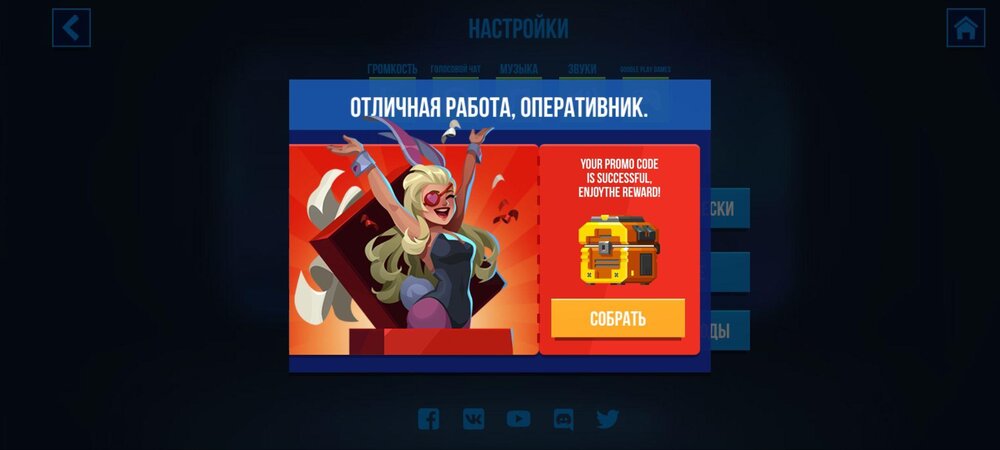
The reveal trailer, set to Shadowed Echoes, showed Vi raiding a corporate tower — and then it did something I’m still proud of: on the monitors, she read out the promo code reward numbers players had been collecting for weeks. “One hundred… forty… fifty-three… fifteen… and fifty. The sum is the key.” A Base64 string flashed: U1RFUkxJTkdEQVRB → STERLINGDATA — one final promo code, live before the trailer even ended.
Names that shipped
This is the part I’d put on a slide: names created inside the ARG became actual game content. Amaryllis Blade, Violet Whisper, and Shadow Step shipped as Vi’s real ability and concept names. Bionic Nomads went from a fake YouTube channel to the credited artist on an official trailer. Project Amaryllis threaded from a hidden dashboard into the update’s content. The ARG didn’t just tease the game — it helped shape the language the game shipped with.
10 The community did the real work
None of this works if players consume it passively. They didn’t. A core team formed around a shared investigation document and ran it like a case file: every date logged, every page diff recorded, every theory argued. They translated messages across a dozen languages, decoded Morse, binary, Base64, Caesar shifts, RGB values, and spectrograms, watched videos frame by frame, compared color channels of defaced images, built nine successive site maps, and cross-referenced new clues against years of Bullet Echo lore.
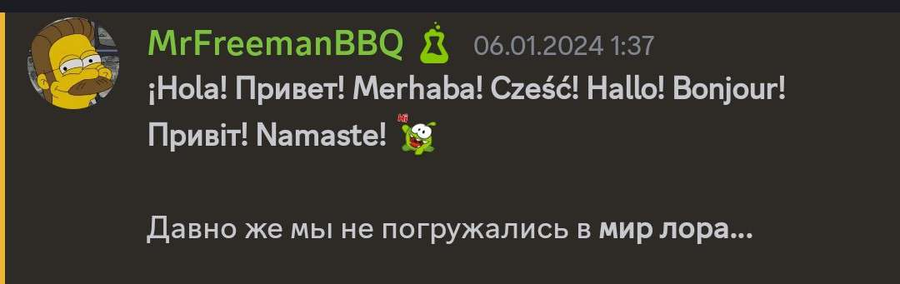
The real result was not the solution. It was the investigation culture players built around it — the log itself opens by crediting every participant, “even those who never made it to the finale”.
11 Why it worked
Players got a role, not a feed
They weren’t an audience — they were Echo Operatives, addressed directly, given jobs, and eventually thanked by name in an official trailer.
Clues had a difficulty curve
A QR code hooks anyone. A spectrogram, a Base64 string in vandalism, or a bolded-word acrostic across eight languages rewards the specialists — and forces collaboration between the two groups.
The website changed over time
Pages evolved, got hacked, and healed. Returning daily was rewarded, and “what changed tonight?” became a community ritual.
Ambiguity was load-bearing
Can Sterling be trusted? Is Life Inc. lying? Is the hacker helping us or using us? The story never answered early, so the theories never stopped.
Rewards confirmed progress
Promo codes weren’t just prizes. A working code was proof you were on the right path — the ARG’s way of saying “warmer”.
It connected to real content
The trail led to an actual hero, actual ability names, and an actual update. Players’ work mattered in the shipped game, not just in the fiction.
Room to overthink
False leads, artifacts mistaken for codes, dead-end theories — all part of the fun. An ARG where every detail pays off feels like homework; one where players argue about noise feels alive.
12 Production notes — and what misfired
The credits are short. Concept, story, puzzles, art, music, video, and the hidden website — mine, hands-on. The in-game side — content and promo codes in the update — was implemented by a game designer working from the ARG’s material, and I signed the campaign off myself. The one hard constraint was the calendar: the update’s release date was fixed, so every page change, clue, and story beat had to resolve before Vi shipped on January 30.
The difficulty curve needed live tuning
Not everything landed as designed. A few puzzles overshot — the investigation stalled on them, and I had to drop quiet hints to get it moving again. And the opening ramp was flatter than intended: two easy riddles in a row early on, so the “tutorial” stretch taught experienced players nothing. Both are the same lesson: a live ARG’s difficulty curve isn’t something you set once — it’s something you steer.
13 Outcome
- Players produced a 170+ page shared investigation log — the source of most screenshots on this page — plus site maps, translations, and theory threads.
- Engagement lifted measurably during the campaign window: +15% DAU and +12% average session length against the pre-campaign baseline — global figures, not a hand-picked segment, tracked in Amplitude. No other campaign or in-game event ran in parallel, which is what makes the attribution credible.
- The campaign sustained weeks of daily discussion across the website, Discord, social channels, YouTube, and game files.
- Vi’s reveal landed as a payoff rather than an announcement — the trailer canonized the community’s work inside the story itself.
- Names and lore hooks created for the ARG carried into the shipped game: Amaryllis Blade, Violet Whisper, Shadow Step, Bionic Nomads, Project Amaryllis.
- The campaign deepened how players saw Bullet Echo’s world — factions, corporations, and characters that had been background flavor became things worth investigating.
The biggest win was that players did not consume the campaign — they documented it, argued with it, translated it, broke it apart, and rebuilt it together.
14 Final reflection
Sterling’s Quest is the clearest expression of how I approach community work: give players something worth investigating, respect hardcore fans’ ability to dig deeper than you expect, build mysteries that work across platforms, and let the community’s collaboration become part of the content itself. Marketing, lore, live ops, and game design — one experience, not four departments.
The whole ARG was openly inspired by music, movies, and games — Cyberpunk 2077 (Never Fade Away is a Samurai song, and the violet neon followed), Valve’s own Portal ARG, RoboCop’s brand of corporate dystopia behind Life Inc., and plenty more. Spotting the references became a meta-game of its own.
Sterling’s Quest worked because it treated the community as smart, curious, and capable. The ARG did not explain everything upfront. It gave players fragments — and trusted them to build the case.